
Sights
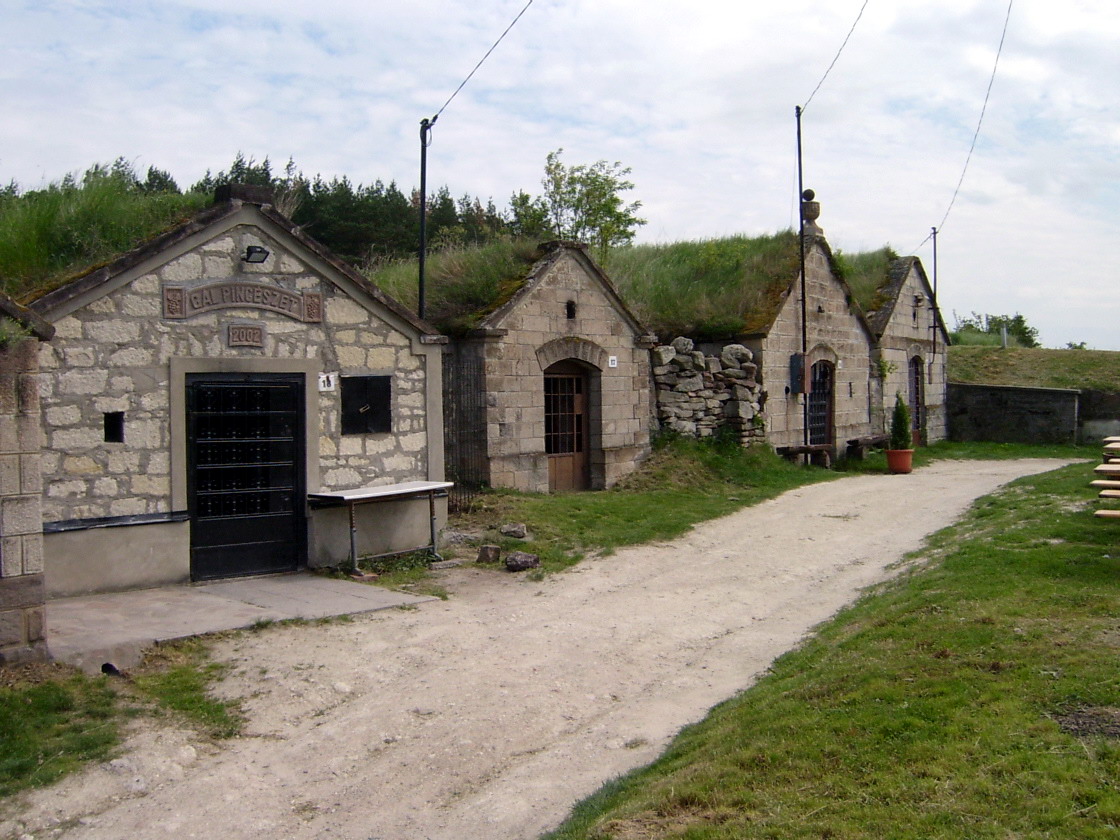
Cellars of Cserép Street
Bogács is one of the most important centers of the Bükkalja Wine Region. The Beech Line is protected from the cold from the north by a favorable microclimate on the south-southwestern slopes. The site conditions are excellent. The wines of Bükkalja are similar to the Eger, but their acid content is slightly higher. The wines are made in dry and semi-dry grades, but fresh varieties include semi-sweet wines.
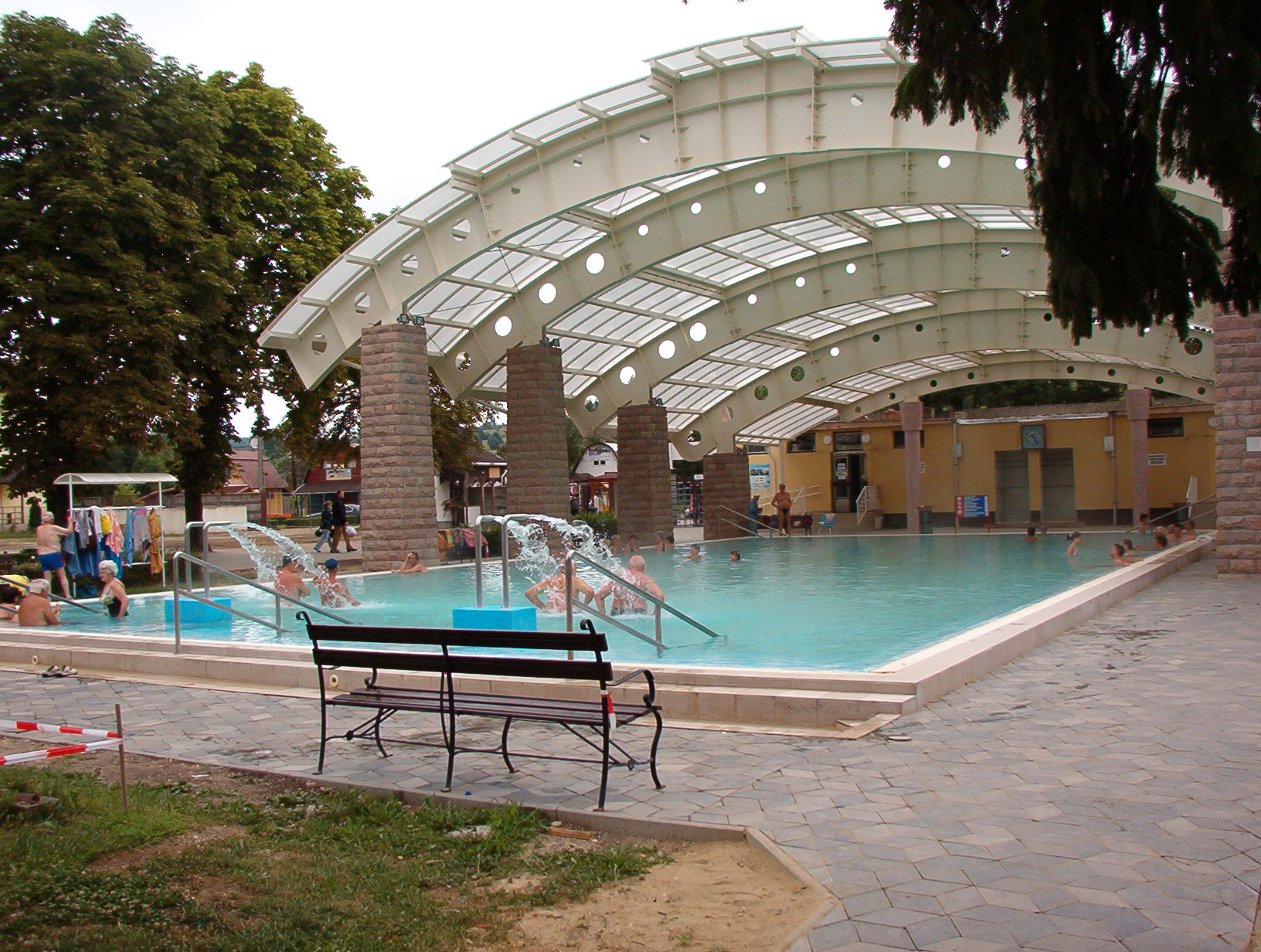
Bogács Thermal Bath
The 72-centigrade thermal water explored by petroleum exploration is obtained from 480-meter deep wells. With this natural endowment, a thermal spa has been established, with its pools in winter and summer. In the spa area, there are six thermal water pools, two children’s ponds, a stretched water swimming pool and a Jurta pool. In addition, there is an EU standard playground in the outdoor area.

St. Martin’s Monument
In the 1248 written mention of the village there was a church erected in honor of St. George. Today’s church is built on the foundation of an older church, the time of construction is unknown. At that time, the main altar had two side-edges, in honor of one of St. Michael, and the other for the All Saints.

Bogács Fishing Station
In the southern part of Borsod county, at the foot of the Bükk Mountains, the Szoros Stream, which was tilled with valley-barrier, made it suitable for fishing purposes using an artificial reservoir. The 20-hectare fishpond over the Bogács village from the Shore Stream was established decades ago. The main goal was probably not to form the fishing lake, rather than pouring large amounts of rainwater from the Beech, which would occasionally not pour Bogács and Mezőkövesd or raise the groundwater level unreasonably.
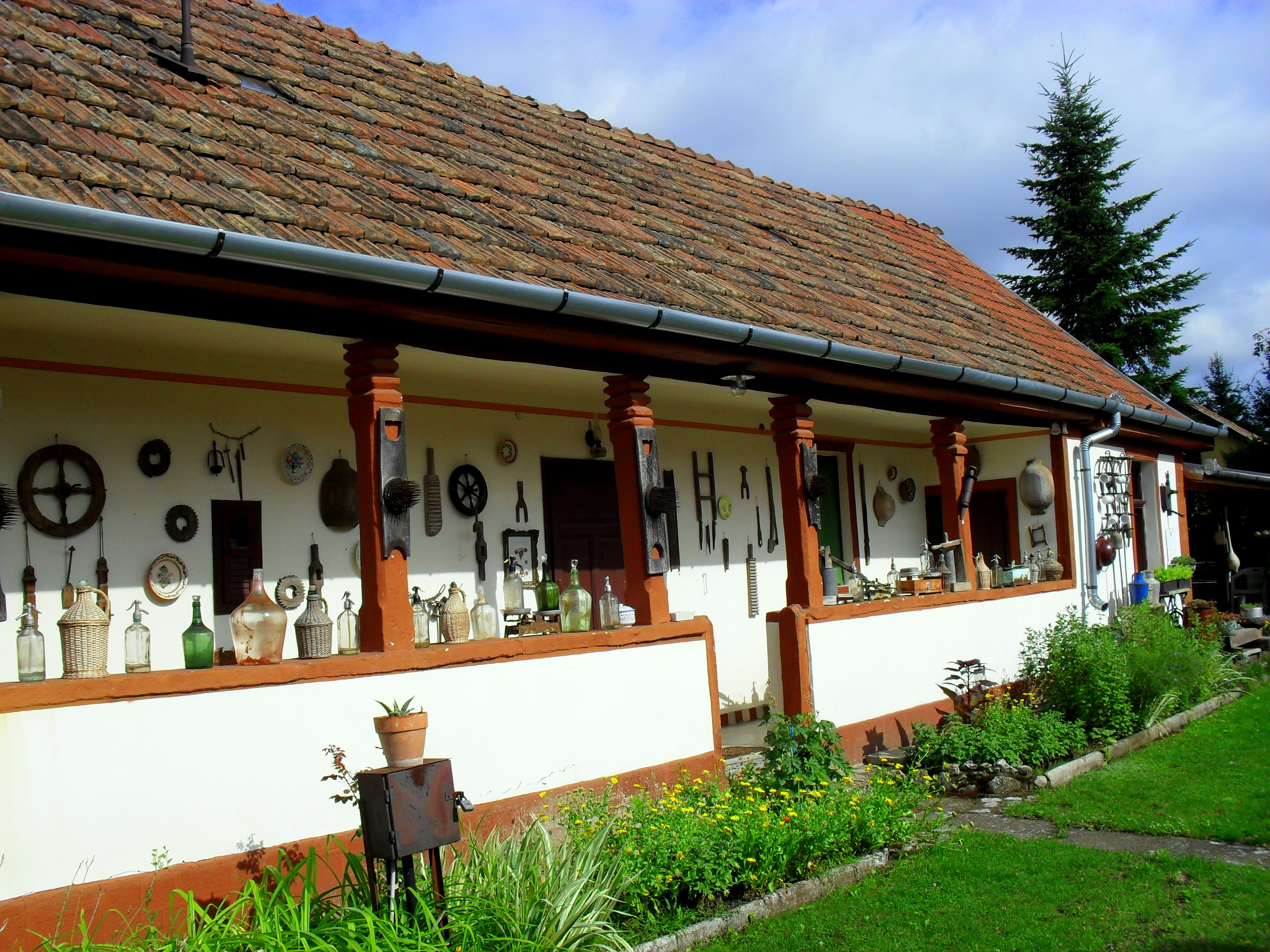
Bogács Country House
The Bogács Farm House is housed in a 19th century farmhouse with a chapel-chamber, with a goat’s stove attached to it. The country house depicts the living conditions of landless peasants. The Bogács palóc folk costumes and dresses can be found among the exhibits. The country house was a three-roomed farmhouse at the end of the 19th century.